
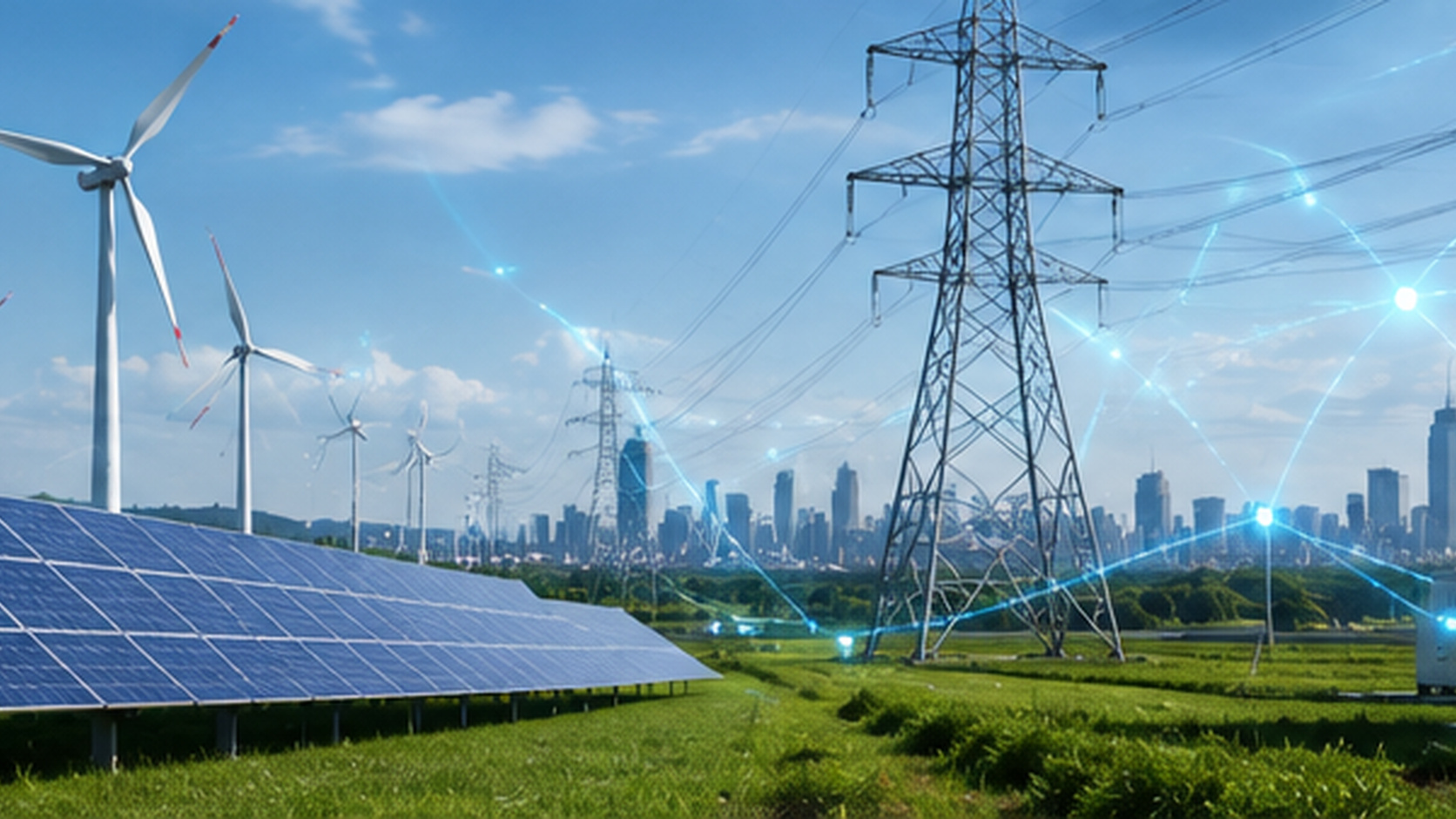
Energy infrastructure forms the backbone of modern economies, supporting power generation, oil and gas operations, transportation, industries, businesses, and communities. As energy systems become increasingly interconnected and technology-driven, protecting critical infrastructure is becoming more complex and more important than ever.
Governments, energy operators, security specialists, and technology providers must work together to address a growing combination of physical, cyber, operational, environmental, and geopolitical risks.
The Changing Energy Security Landscape
Traditional energy security primarily focused on maintaining reliable supply and protecting physical facilities. Today, the threat landscape has expanded significantly. Power plants, refineries, pipelines, terminals, substations, control centers, and other critical facilities increasingly depend on digital and operational technologies.
This connectivity improves efficiency and visibility, but it can also introduce new vulnerabilities. Cyberattacks, equipment failures, unauthorized access, supply-chain disruption, natural disasters, and geopolitical instability can potentially affect critical operations.
Protecting Physical Infrastructure
Physical protection remains a fundamental part of energy security. Facilities require appropriate surveillance, access control, perimeter protection, monitoring, emergency procedures, and coordinated security operations.
Modern technologies such as intelligent video surveillance, drones, sensors, analytics, and automated monitoring can help organizations detect unusual activity and respond more effectively to potential threats.
Strengthening Cybersecurity and OT Security
Energy organizations operate increasingly connected IT and Operational Technology (OT) environments. Protecting these systems requires more than conventional cybersecurity.
Organizations need strong network security, continuous monitoring, access management, threat detection, vulnerability assessment, incident response, and protection of industrial control systems to reduce the risk of operational disruption.
Building Operational Resilience
Security is not only about preventing incidents. Organizations must also be prepared to continue operating and recover quickly when disruption occurs.
Risk assessments, emergency response planning, business continuity, disaster recovery, crisis management, regular exercises, and workforce training help create resilient energy organizations capable of responding effectively under pressure.
Collaboration Is Essential
No organization can address today’s energy security challenges independently. Effective protection requires cooperation between government authorities, energy operators, engineering organizations, defence and security specialists, technology companies, researchers, and emergency-response organizations.
Sharing expertise, threat intelligence, technologies, research, and best practices can strengthen the collective ability to identify emerging risks and develop effective solutions.
Preparing for the Future
Artificial intelligence, predictive analytics, automation, smart surveillance, digital twins, advanced sensors, and real-time monitoring are creating new opportunities to improve infrastructure protection.
The future of energy security will depend on combining these technologies with experienced professionals, effective governance, strong cybersecurity, risk management, and coordinated response strategies.
Protecting Today. Powering Tomorrow.
Protecting critical energy infrastructure is ultimately about ensuring continuity, reliability, safety, and resilience. By investing in security, technology, preparedness, and collaboration today, the energy sector can build stronger systems capable of supporting economic growth and powering a more secure future.